Search
WINE SHOP
DISTRIBUTION
CONTACTS
Login
Nessun prodotto nel carrello.
0 items
€0.00
Shipping
Total
€0.00
Shopping Cart
€0.00
Inglese
Italiano
Inglese
Red wines
TIPOLOGIA
Aglianico
Amarone
Barbera
Bardolino
Barolo
Bolgheri
Brunello di Montalcino
Cabernet Sauvignon
Cannonau
Chianti
Dolcetto
Etna Rosso
Lagrein
Marzemino
Merlot
Montepulciano d'Abruzzo
Nebbiolo
Pinot Nero
Rosso di Montalcino
Valpolicella
Cabernet Franc
REGIONI
Abruzzo
Alto Adige
Bordeaux (Francia)
Borgogna (Francia)
Campania
Friuli Venezia Giulia
Lombardia
Marche
Piemonte
Sardegna
Sicilia
Toscana
Veneto
PRODUTTORI
Cingilia
Spitalerhof
Philippe Cordonnier
Domaine Saint-Marc
Tora
Vitas
Sobrero
Diego e Damiano Barale
Jankara
Roberto Abbate
Pomona
Tiezzi
I Luoghi
Ilatium
Corte Canella
Cavedini
Garbole
Ernesto Ruffo
Roccolo Grassi
Antolini
Colle Cerè
Zanoni
Gentili
Eugenio Rosi
Lavagnoli
Radìs
Serni Fulvio e Luigi
Boffa Carlo e Luigi
Monte dei Ragn
Ca' dei Ronchi
Paolo Cottini
Piubello
White wines
PRODUTTORI
Mader
Ilatium
Corte Canella
Cingilia
Eugenio Rosi
Tauber
Spitalerhof
Tora
Villa Vitas
Jankara
Roberto Abbate
Rainer Wess
Domaine Fige
Corbari
Nunzio Ghiraldi
Poderi San Lazzaro
Accadia
Cascina Mondator
Suavia
Domaine Saint-Marc
TIPOLOGIA
Chablis
Chardonnay
Etna Bianco
Falanghina
Vermentino
Vermentino di Gallura
Fiano
Gewürztraminer
Grillo
Lugana
Pinot Bianco
Pinot Grigio
Pouilly-Fumé
Ribolla Gialla
Riesling
Roero Arneis
Sauvignon
Soave
Timorasso
Trebbiano
Verdicchio
Domaine Saint-Marc
Sylvaner
Kerner
Passerina
REGIONI
Abruzzo
Alsazia (Francia)
Alto Adige
Borgogna (Francia)
Campania
Friuli Venezia Giulia
Kremstal (Austria)
Liguria
Loira (Francia)
Lombardia
Marche
Piemonte
Sardegna
Sicilia
Trentino
Veneto
Sweet Wines
Mythical
Sparkling wine
TIPOLOGIA
Alta Langa
Crémant
Franciacorta
Trento Doc
Champagne
Bardolino Chiaretto Spumante
Monti Lessini Spumante
Durello Spumante
Pecorino Spumante
REGIONE
Alsazia (Francia)
Alto Adige
Borgogna (Francia)
Champagne (Francia)
Friuli Venezia Giulia
Lombardia
Piemonte
Trentino
Veneto
PRODUTTORE
Mader
Rizzini
Barbalonga
Mas dei Chini
Sobrero
Marcazzan
Gentili
Aurelien Dauvergne
Boivin
Charles Debelloy
Didier Ducos
Michel Vol
Poderi San Lazzaro
Cascina Mondator
DOSAGGIO
Pas Dosé - Nature
Extra Brut
Brut
Extra Dry
Dry
Demi-Sec
Doux
CLASSIFICAZIONE
Blanc de Blancs
Blanc de Noirs
Grand Cru
Millesimato
Rosé
Sans Année
Premier Cru
Veronese wines
Red Wines
Amarone
Bardolino
Valpolicella
Valpolicella Ripasso
Valpolicella Superiore
White Wines
Custoza
Lugana
Soave
Rosè Wines
Bardolino Chiaretto
Sparkling wines
Bardolino Chiaretto Spumante
Lessini Durello Spumante
Sweet Wines
Recioto di Soave
Recioto della Valpolicella
Menu
Red wines
TIPOLOGIA
Aglianico
Amarone
Barbera
Bardolino
Barolo
Bolgheri
Brunello di Montalcino
Cabernet Sauvignon
Cannonau
Chianti
Dolcetto
Etna Rosso
Lagrein
Marzemino
Merlot
Montepulciano d'Abruzzo
Nebbiolo
Pinot Nero
Rosso di Montalcino
Valpolicella
Cabernet Franc
REGIONI
Abruzzo
Alto Adige
Bordeaux (Francia)
Borgogna (Francia)
Campania
Friuli Venezia Giulia
Lombardia
Marche
Piemonte
Sardegna
Sicilia
Toscana
Veneto
PRODUTTORI
Cingilia
Spitalerhof
Philippe Cordonnier
Domaine Saint-Marc
Tora
Vitas
Sobrero
Diego e Damiano Barale
Jankara
Roberto Abbate
Pomona
Tiezzi
I Luoghi
Ilatium
Corte Canella
Cavedini
Garbole
Ernesto Ruffo
Roccolo Grassi
Antolini
Colle Cerè
Zanoni
Gentili
Eugenio Rosi
Lavagnoli
Radìs
Serni Fulvio e Luigi
Boffa Carlo e Luigi
Monte dei Ragn
Ca' dei Ronchi
Paolo Cottini
Piubello
White wines
PRODUTTORI
Mader
Ilatium
Corte Canella
Cingilia
Eugenio Rosi
Tauber
Spitalerhof
Tora
Villa Vitas
Jankara
Roberto Abbate
Rainer Wess
Domaine Fige
Corbari
Nunzio Ghiraldi
Poderi San Lazzaro
Accadia
Cascina Mondator
Suavia
Domaine Saint-Marc
TIPOLOGIA
Chablis
Chardonnay
Etna Bianco
Falanghina
Vermentino
Vermentino di Gallura
Fiano
Gewürztraminer
Grillo
Lugana
Pinot Bianco
Pinot Grigio
Pouilly-Fumé
Ribolla Gialla
Riesling
Roero Arneis
Sauvignon
Soave
Timorasso
Trebbiano
Verdicchio
Domaine Saint-Marc
Sylvaner
Kerner
Passerina
REGIONI
Abruzzo
Alsazia (Francia)
Alto Adige
Borgogna (Francia)
Campania
Friuli Venezia Giulia
Kremstal (Austria)
Liguria
Loira (Francia)
Lombardia
Marche
Piemonte
Sardegna
Sicilia
Trentino
Veneto
Sweet Wines
Mythical
Sparkling wine
TIPOLOGIA
Alta Langa
Crémant
Franciacorta
Trento Doc
Champagne
Bardolino Chiaretto Spumante
Monti Lessini Spumante
Durello Spumante
Pecorino Spumante
REGIONE
Alsazia (Francia)
Alto Adige
Borgogna (Francia)
Champagne (Francia)
Friuli Venezia Giulia
Lombardia
Piemonte
Trentino
Veneto
PRODUTTORE
Mader
Rizzini
Barbalonga
Mas dei Chini
Sobrero
Marcazzan
Gentili
Aurelien Dauvergne
Boivin
Charles Debelloy
Didier Ducos
Michel Vol
Poderi San Lazzaro
Cascina Mondator
DOSAGGIO
Pas Dosé - Nature
Extra Brut
Brut
Extra Dry
Dry
Demi-Sec
Doux
CLASSIFICAZIONE
Blanc de Blancs
Blanc de Noirs
Grand Cru
Millesimato
Rosé
Sans Année
Premier Cru
Veronese wines
Red Wines
Amarone
Bardolino
Valpolicella
Valpolicella Ripasso
Valpolicella Superiore
White Wines
Custoza
Lugana
Soave
Rosè Wines
Bardolino Chiaretto
Sparkling wines
Bardolino Chiaretto Spumante
Lessini Durello Spumante
Sweet Wines
Recioto di Soave
Recioto della Valpolicella
Red wines
TIPOLOGIA
Aglianico
Amarone
Barbera
Bardolino
Barolo
Bolgheri
Brunello di Montalcino
Cabernet Sauvignon
Cannonau
Chianti
Dolcetto
Etna Rosso
Lagrein
Marzemino
Merlot
Montepulciano d'Abruzzo
Nebbiolo
Pinot Nero
Rosso di Montalcino
Valpolicella
Cabernet Franc
REGIONI
Abruzzo
Alto Adige
Bordeaux (Francia)
Borgogna (Francia)
Campania
Friuli Venezia Giulia
Lombardia
Marche
Piemonte
Sardegna
Sicilia
Toscana
Veneto
PRODUTTORI
Cingilia
Spitalerhof
Philippe Cordonnier
Domaine Saint-Marc
Tora
Vitas
Sobrero
Diego e Damiano Barale
Jankara
Roberto Abbate
Pomona
Tiezzi
I Luoghi
Ilatium
Corte Canella
Cavedini
Garbole
Ernesto Ruffo
Roccolo Grassi
Antolini
Colle Cerè
Zanoni
Gentili
Eugenio Rosi
Lavagnoli
Radìs
Serni Fulvio e Luigi
Boffa Carlo e Luigi
Monte dei Ragn
Ca' dei Ronchi
Paolo Cottini
Piubello
White wines
PRODUTTORI
Mader
Ilatium
Corte Canella
Cingilia
Eugenio Rosi
Tauber
Spitalerhof
Tora
Villa Vitas
Jankara
Roberto Abbate
Rainer Wess
Domaine Fige
Corbari
Nunzio Ghiraldi
Poderi San Lazzaro
Accadia
Cascina Mondator
Suavia
Domaine Saint-Marc
TIPOLOGIA
Chablis
Chardonnay
Etna Bianco
Falanghina
Vermentino
Vermentino di Gallura
Fiano
Gewürztraminer
Grillo
Lugana
Pinot Bianco
Pinot Grigio
Pouilly-Fumé
Ribolla Gialla
Riesling
Roero Arneis
Sauvignon
Soave
Timorasso
Trebbiano
Verdicchio
Domaine Saint-Marc
Sylvaner
Kerner
Passerina
REGIONI
Abruzzo
Alsazia (Francia)
Alto Adige
Borgogna (Francia)
Campania
Friuli Venezia Giulia
Kremstal (Austria)
Liguria
Loira (Francia)
Lombardia
Marche
Piemonte
Sardegna
Sicilia
Trentino
Veneto
Sweet Wines
Mythical
Sparkling wine
TIPOLOGIA
Alta Langa
Crémant
Franciacorta
Trento Doc
Champagne
Bardolino Chiaretto Spumante
Monti Lessini Spumante
Durello Spumante
Pecorino Spumante
REGIONE
Alsazia (Francia)
Alto Adige
Borgogna (Francia)
Champagne (Francia)
Friuli Venezia Giulia
Lombardia
Piemonte
Trentino
Veneto
PRODUTTORE
Mader
Rizzini
Barbalonga
Mas dei Chini
Sobrero
Marcazzan
Gentili
Aurelien Dauvergne
Boivin
Charles Debelloy
Didier Ducos
Michel Vol
Poderi San Lazzaro
Cascina Mondator
DOSAGGIO
Pas Dosé - Nature
Extra Brut
Brut
Extra Dry
Dry
Demi-Sec
Doux
CLASSIFICAZIONE
Blanc de Blancs
Blanc de Noirs
Grand Cru
Millesimato
Rosé
Sans Année
Premier Cru
Veronese wines
Red Wines
Amarone
Bardolino
Valpolicella
Valpolicella Ripasso
Valpolicella Superiore
White Wines
Custoza
Lugana
Soave
Rosè Wines
Bardolino Chiaretto
Sparkling wines
Bardolino Chiaretto Spumante
Lessini Durello Spumante
Sweet Wines
Recioto di Soave
Recioto della Valpolicella
Menu
Red wines
TIPOLOGIA
Aglianico
Amarone
Barbera
Bardolino
Barolo
Bolgheri
Brunello di Montalcino
Cabernet Sauvignon
Cannonau
Chianti
Dolcetto
Etna Rosso
Lagrein
Marzemino
Merlot
Montepulciano d'Abruzzo
Nebbiolo
Pinot Nero
Rosso di Montalcino
Valpolicella
Cabernet Franc
REGIONI
Abruzzo
Alto Adige
Bordeaux (Francia)
Borgogna (Francia)
Campania
Friuli Venezia Giulia
Lombardia
Marche
Piemonte
Sardegna
Sicilia
Toscana
Veneto
PRODUTTORI
Cingilia
Spitalerhof
Philippe Cordonnier
Domaine Saint-Marc
Tora
Vitas
Sobrero
Diego e Damiano Barale
Jankara
Roberto Abbate
Pomona
Tiezzi
I Luoghi
Ilatium
Corte Canella
Cavedini
Garbole
Ernesto Ruffo
Roccolo Grassi
Antolini
Colle Cerè
Zanoni
Gentili
Eugenio Rosi
Lavagnoli
Radìs
Serni Fulvio e Luigi
Boffa Carlo e Luigi
Monte dei Ragn
Ca' dei Ronchi
Paolo Cottini
Piubello
White wines
PRODUTTORI
Mader
Ilatium
Corte Canella
Cingilia
Eugenio Rosi
Tauber
Spitalerhof
Tora
Villa Vitas
Jankara
Roberto Abbate
Rainer Wess
Domaine Fige
Corbari
Nunzio Ghiraldi
Poderi San Lazzaro
Accadia
Cascina Mondator
Suavia
Domaine Saint-Marc
TIPOLOGIA
Chablis
Chardonnay
Etna Bianco
Falanghina
Vermentino
Vermentino di Gallura
Fiano
Gewürztraminer
Grillo
Lugana
Pinot Bianco
Pinot Grigio
Pouilly-Fumé
Ribolla Gialla
Riesling
Roero Arneis
Sauvignon
Soave
Timorasso
Trebbiano
Verdicchio
Domaine Saint-Marc
Sylvaner
Kerner
Passerina
REGIONI
Abruzzo
Alsazia (Francia)
Alto Adige
Borgogna (Francia)
Campania
Friuli Venezia Giulia
Kremstal (Austria)
Liguria
Loira (Francia)
Lombardia
Marche
Piemonte
Sardegna
Sicilia
Trentino
Veneto
Sweet Wines
Mythical
Sparkling wine
TIPOLOGIA
Alta Langa
Crémant
Franciacorta
Trento Doc
Champagne
Bardolino Chiaretto Spumante
Monti Lessini Spumante
Durello Spumante
Pecorino Spumante
REGIONE
Alsazia (Francia)
Alto Adige
Borgogna (Francia)
Champagne (Francia)
Friuli Venezia Giulia
Lombardia
Piemonte
Trentino
Veneto
PRODUTTORE
Mader
Rizzini
Barbalonga
Mas dei Chini
Sobrero
Marcazzan
Gentili
Aurelien Dauvergne
Boivin
Charles Debelloy
Didier Ducos
Michel Vol
Poderi San Lazzaro
Cascina Mondator
DOSAGGIO
Pas Dosé - Nature
Extra Brut
Brut
Extra Dry
Dry
Demi-Sec
Doux
CLASSIFICAZIONE
Blanc de Blancs
Blanc de Noirs
Grand Cru
Millesimato
Rosé
Sans Année
Premier Cru
Veronese wines
Red Wines
Amarone
Bardolino
Valpolicella
Valpolicella Ripasso
Valpolicella Superiore
White Wines
Custoza
Lugana
Soave
Rosè Wines
Bardolino Chiaretto
Sparkling wines
Bardolino Chiaretto Spumante
Lessini Durello Spumante
Sweet Wines
Recioto di Soave
Recioto della Valpolicella
Search
Cosa stai cercando?
Close
Nessun prodotto nel carrello.
0 items
€0.00
Shipping
Total
€0.00
Shopping Cart
€0.00
WINE SHOP
DISTRIBUTION
CONTACTS
Home
Red wines
REGIONI
Veneto
Veneto
OK
Filter By
Region
Region
Veneto (Italia)
(25)
Produttori
Produttori
Garbole
(3)
Region
Veneto (Italia)
Produttori
Garbole
Filters
There are 48 products.
Sales, highest to lowest
Relevance
Name, A to Z
Name, Z to A
Price, low to high
Price, high to low
Reference, A to Z
Reference, Z to A
Valpolicella - Superiore - Campogadis - Ernesto Ruffo
€42.00
Add to Cart
Valpolicella - Superiore - Roccolo Grassi
€27.00
Add to Cart
Amarone della Valpolicella - Roccolo Grassi
€78.00
Add to Cart
Valpolicella Classico - Ripasso - Monte dei Ragni
€65.00
Add to Cart
Amarone della Valpolicella Classico - Monte dei Ragni
€160.00
Add to Cart
Valpolicella - Superiore - Spargola - Ca' dei Ronchi
€22.00
Add to Cart
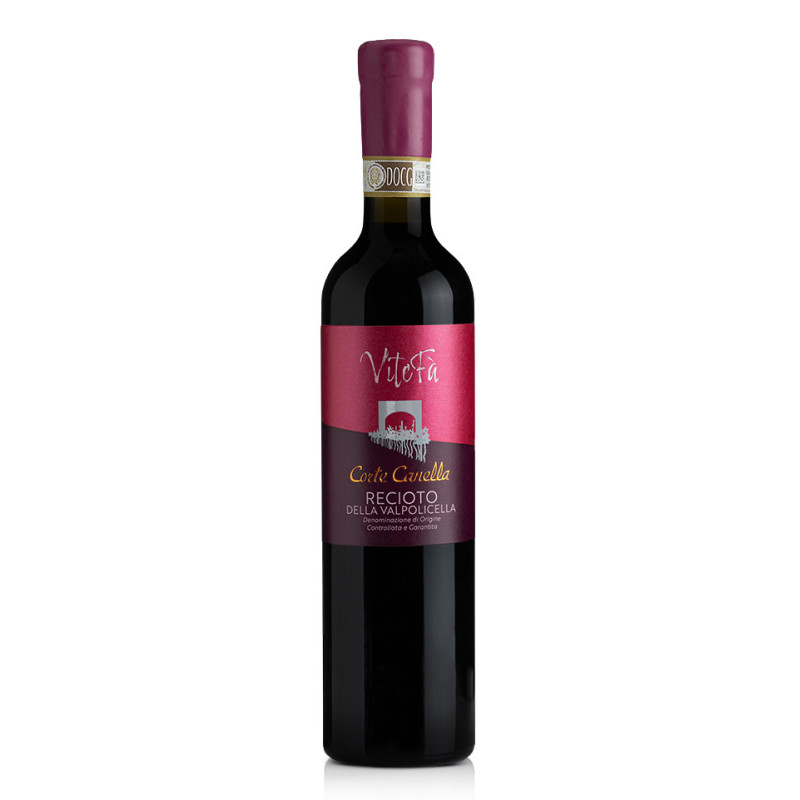
Recioto della Valpolicella - Le Sore - Corte Canella
€43.00
Add to Cart
Recioto della Valpolicella Classico - Antolini
€22.00
Add to Cart
Hurlo - Garbole
€290.00
Add to Cart
Amarone della Valpolicella - Due Mori - Latium
€105.00
Add to Cart
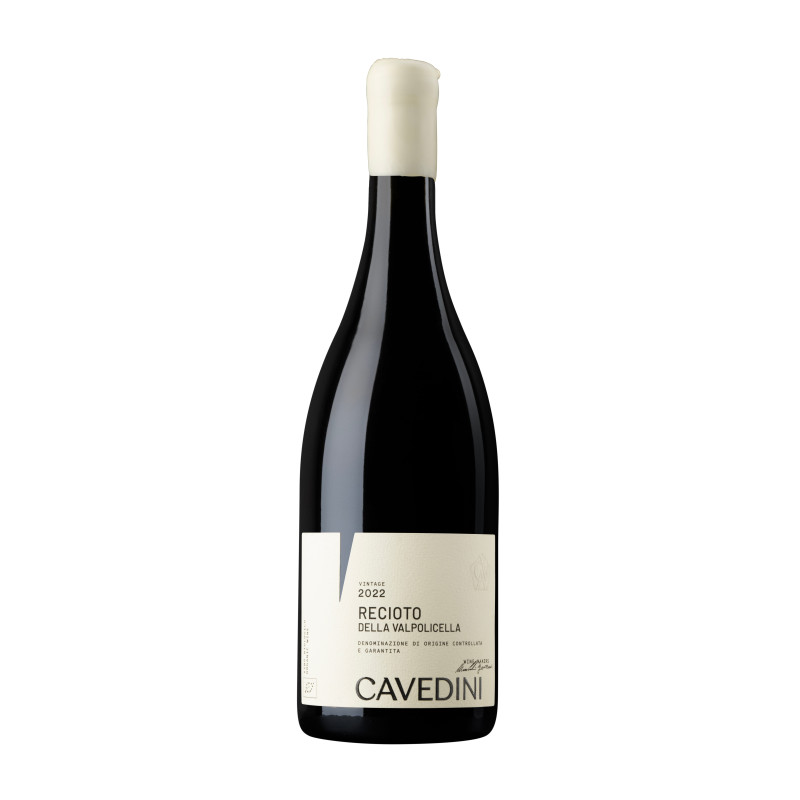
Recioto della Valpolicella - Corte Cavedini
€48.00
Add to Cart
Amarone della Valpolicella Classico - Moròpio - Antolini
€30.00
€27.00
Save 10%
Add to Cart
Load More
Showing 1-12 of 48 item(s)
check_circle
check_circle